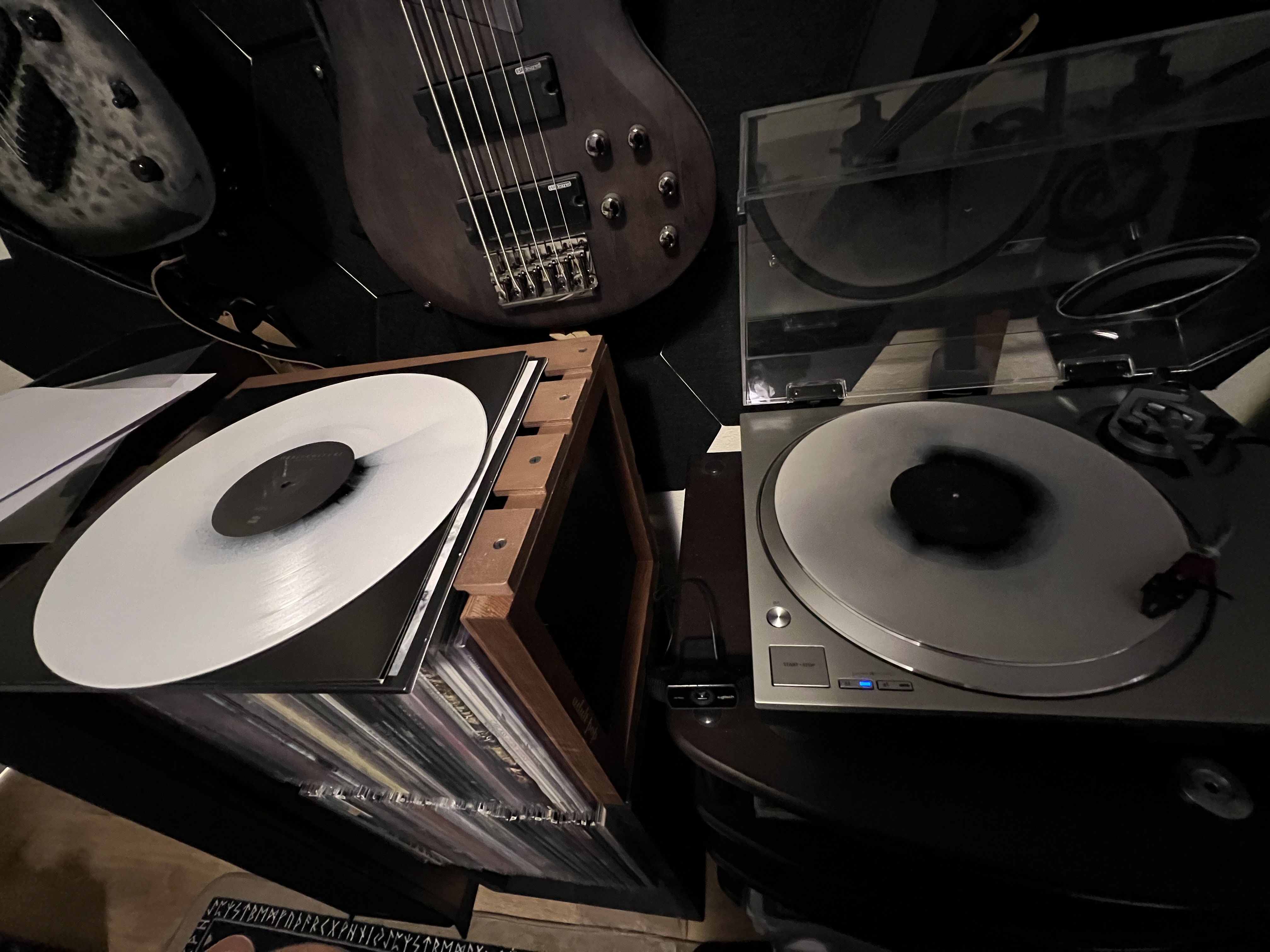
The post outlines the initiation of a new project for a multi-tenant music collector’s database. The objectives include personal use and sharing with others, along with the selection of tech stacks. The project aims to provide a personalized, secure, and collaborative platform for enthusiasts to manage and appreciate their vinyl collections efficiently. Key decisions include... Continue reading →
A few helpful links and details to where information is on the Gradle Build Tool. Installation Via SDKMAN sdk install gradle x.y.z where x.y.z is the version, like 8.0.2. Via Brew with brew install gradle. Manually check out the instructions here. Building a Java Library (or application, Gradle plugin, etc) Using the init task. From... Continue reading →
No cruft, let’s just start. What I’ve done is take those docs and add some specific details and information for this happy path. It includes additional references for the steps I took, and specifically what I’m running this on for this particular tutorial. As noted below, there is a section where this deviates from those... Continue reading →
Key Technologies: Hasura, Postgres, Terraform, Docker, and Azure. I created a data model to store railroad systems, services, scheduled, time points, and related information, detailing the schema “Beyond CRUD n’ Cruft Data-Modeling” with a few tweaks. The original I’d created for Apache Cassandra, and have since switched to Postgres giving the option of primary and... Continue reading →
In this video I put together some basic IDE’s and browsers I install. In the case of browsers that includes more than a few. For the case of IDE’s it’s my standard arsenal of Jetbrains IDE’s and Visual Studio Code. For the previous step in this series, check out the Base OS Load post. Continue reading →