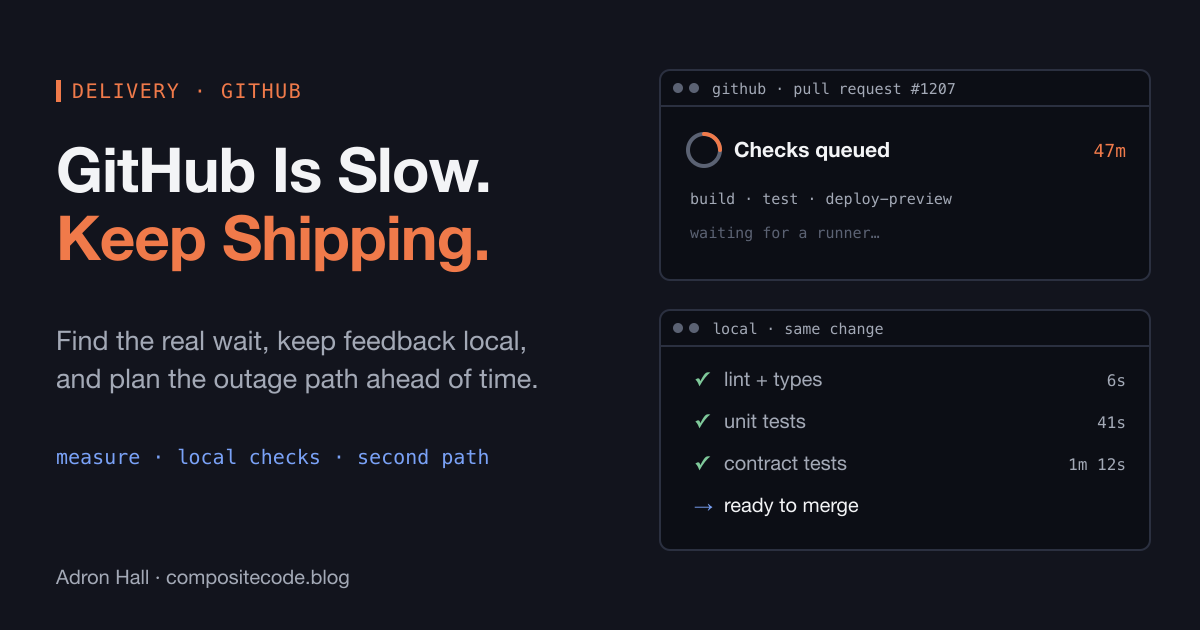
The issue is ready, the code is ready, and then the PR page spins. A check stays queued. A webhook arrives late. The review that should have taken ten minutes turns into an afternoon of refreshing GitHub and wondering which part of the pipeline is actually broken. Continue reading →
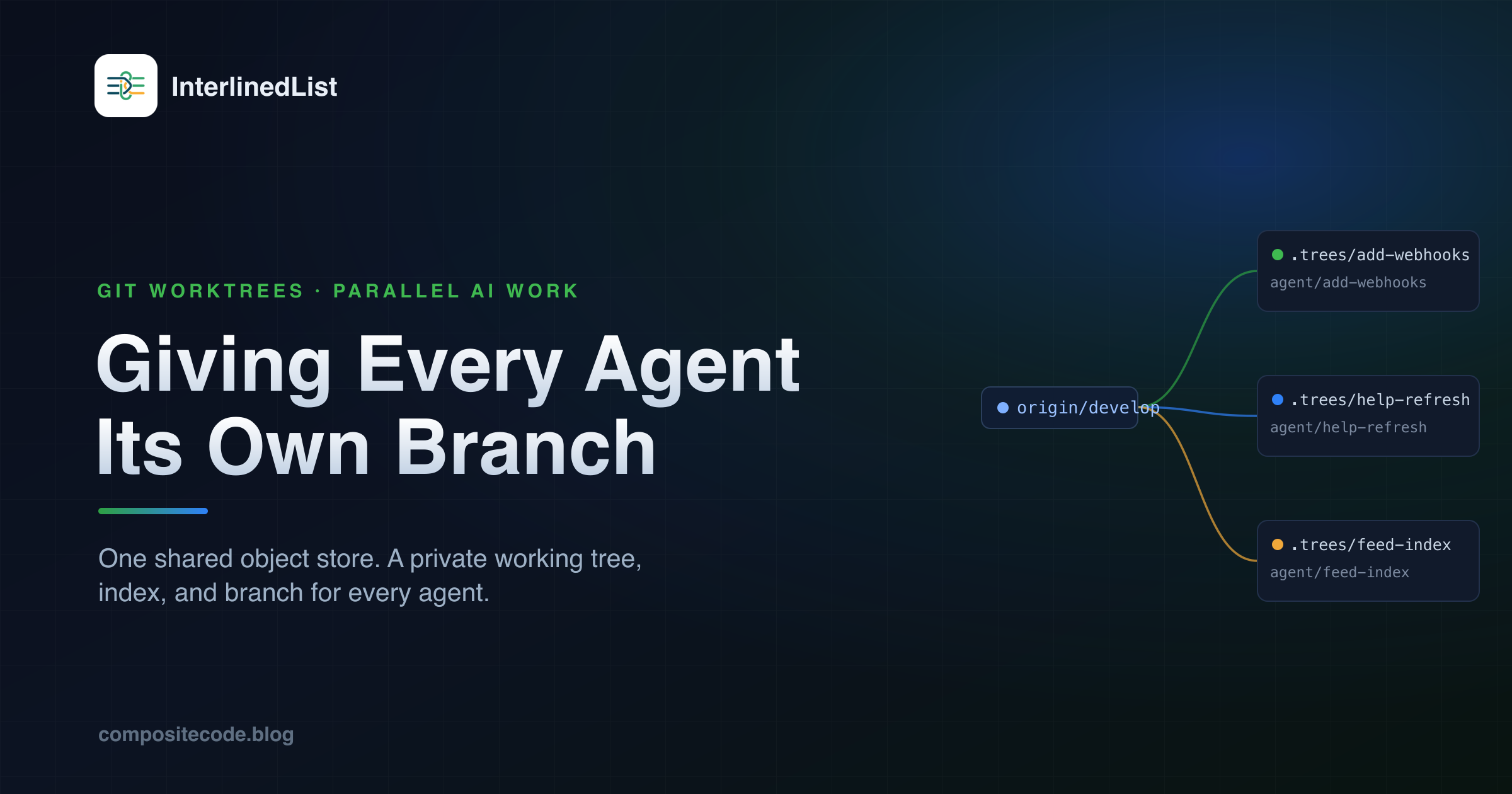
The text discusses challenges faced when using multiple coding agents on a single Git working tree, leading to merge conflicts and lost edits. It emphasizes the need for independent work environments through Git worktrees, which allow each agent to operate in its own directory while sharing an object store. The author details a structured solution... Continue reading →
The content discusses the widening gap between organizations effectively leveraging Generative AI and those that are not. It argues that management bottlenecks, rather than engineering inefficiencies, are the core issue hindering progress. Generative AI exposes these inefficiencies, emphasizing the need for systemic thinking and simplification to fully realize productivity gains. Continue reading →
Brendan O’Leary’s recent article highlights the slow adoption of AI coding tools among engineers, noting a widening gap between early adopters and others. Despite challenges like security concerns and past negative experiences, teams that integrate AI effectively gain significant advantages. Current adoption must be disciplined to avoid creating technical debt while enhancing productivity. Continue reading →
The piece explores the unique challenges software developers face, particularly with the rise of AI tooling in coding practices. It highlights a specific “pain” associated with AI-generated code changes, which can introduce risks due to their propensity for errors and misunderstandings of existing systems. The author categorizes types of code changes—additive, mutative, destructive, transformative, cosmetic,... Continue reading →