Getting a coding agent productive is less about the prompt and more about whether the machine in front of it can actually build, run, and reach the systems the work depends on. Cursor, Claude, Codex, and the rest are fast when the local world is already honest: dependencies install, the app boots, tests can run,... Continue reading →
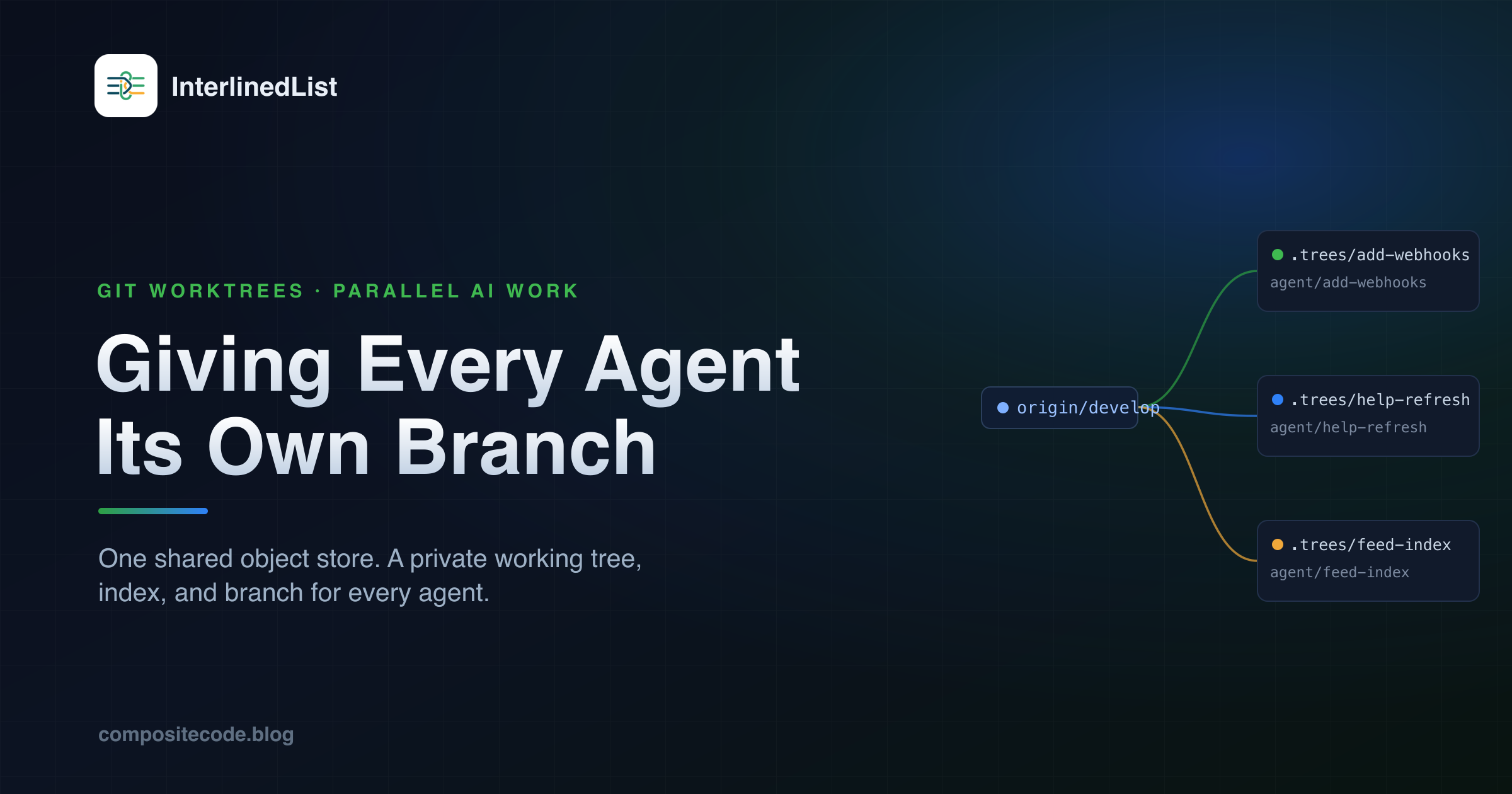
The text discusses challenges faced when using multiple coding agents on a single Git working tree, leading to merge conflicts and lost edits. It emphasizes the need for independent work environments through Git worktrees, which allow each agent to operate in its own directory while sharing an object store. The author details a structured solution... Continue reading →
Part 8 emphasizes building a supervised AI agent within a structured workflow using Temporal, focusing on retrieval, reasoning, and drafting without overspending on model tokens. The author outlines the importance of sequencing the development, integrating guardrails like budget limits, and asserts that trust in the agent comes from structured testing and supervision, not vague prompts.... Continue reading →
In Part 7 of the series, the author emphasizes the significance of durability in AI to minimize costs, particularly focusing on memoization and caching techniques. They outline strategies to prevent unnecessary token expenses during retries and propose a structured approach to optimize budget management before any billing occurs, ensuring efficient usage of resources throughout the... Continue reading →
The post explores improvements to an AI tool for managing saved links, addressing challenges in retrieval. It proposes creating a durable cache for links and enhancing search functionality with vector embeddings. The author emphasizes the need for security in URL fetching and systematic database migrations. The goal is easy access to previously saved articles and... Continue reading →