The Worker Pools pattern creates a fixed number of workers that process jobs from a shared queue. It helps manage resources, handle varying workloads, and ensures predictable performance in concurrent systems. The implementation consists of a job queue, worker pool, and result collection, promoting efficient job processing and resource management. Continue reading →
The Fan-out/Fan-in pattern enhances concurrency by distributing tasks among multiple workers (fan-out) and collecting their results (fan-in). It involves generating work items, processing them across workers, and gathering results without blocking. This pattern optimizes CPU usage and is suitable for various applications like parallel data processing and API handling. Continue reading →
The Pipeline pattern facilitates concurrent processing by connecting several stages that transform data. The implementation example includes generating random numbers, squaring them, and adding ten. Each stage operates independently through channels, ensuring synchronization. This pattern enhances scalability, resource efficiency, and flow control, making it suitable for various data processing applications. Continue reading →
This post discusses implementing Datadog in iOS applications using both SwiftUI and UIKit. It highlights the necessary SDK packages, key management challenges, and best practices for monitoring. The author prefers SwiftUI for its maintainability and automatic lifecycle handling, while noting UIKit’s explicit control and customization options. Pricing complexities are also addressed. Continue reading →
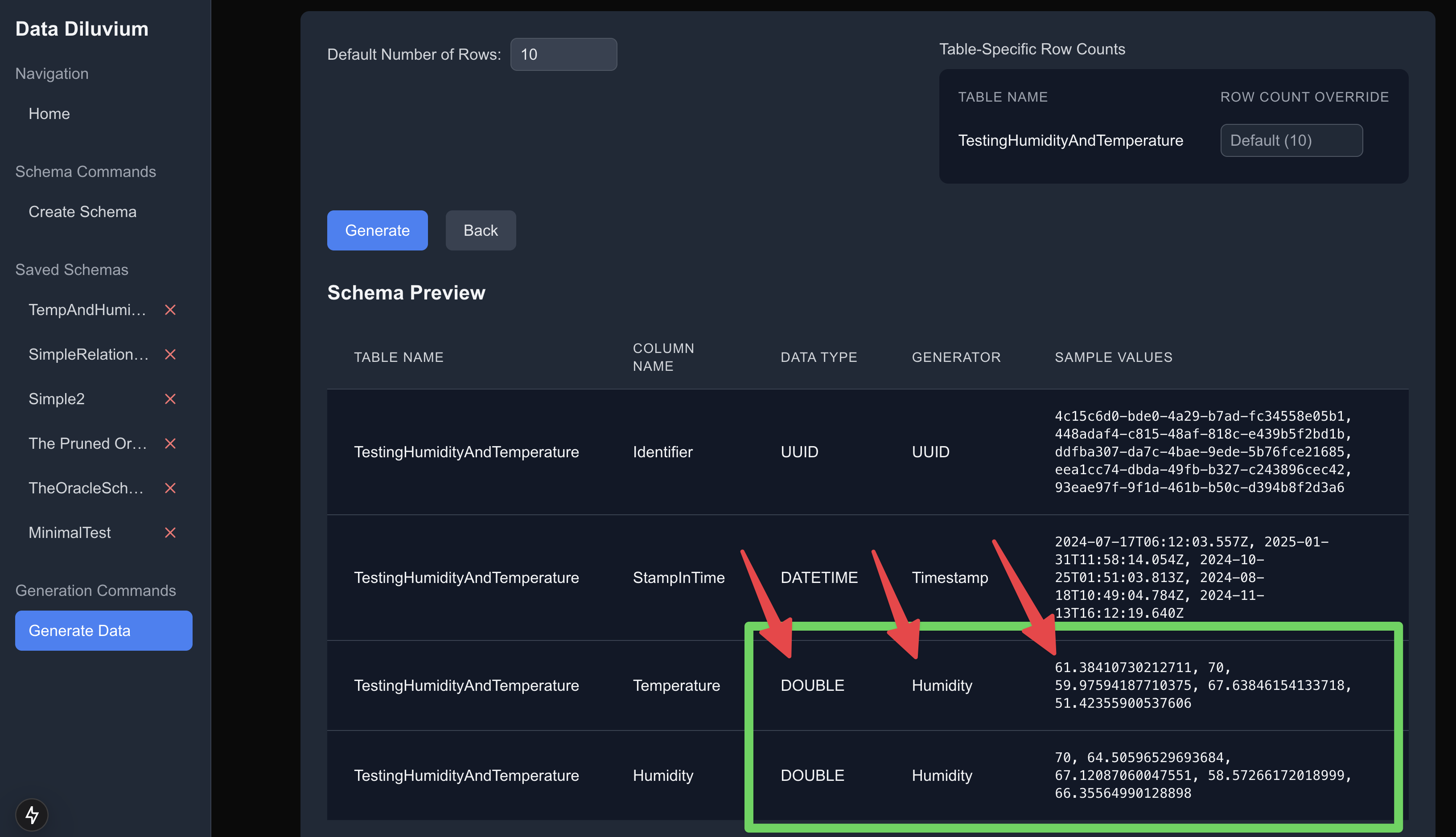
The post discusses the creation of a humidity data generator for TimeScale DB, highlighting its significance in environmental monitoring and IoT applications. Key features include realistic humidity levels, time and seasonal variations, and compatibility with various numeric types. Comprehensive testing ensures the generator produces reliable values for further development. Continue reading →