A popular library used in GraphQL implementations is called DataLoader, and in many ways the name is somewhat descriptive of its purpose. As described in the JavaScript repo for the Node.js implementation for GraphQL “DataLoader is a generic utility to be used as part of your application’s data fetching layer to provide a simplified and... Continue reading →
The Single Responsibility Principle (SRP) states that a class or module should have only one reason to change. It emphasizes the importance of keeping modules or components focused on a single task, reducing their complexity, and increasing maintainability. SRP defined. In GraphQL API development the importance, and need, of maintaining code quality and scalability is... Continue reading →
The previous post to this one, just included some definitions to ensure I’ve covered the core topics as I’m moving along. Before that I covered getting a project app started in day 3 and day 2 posts. Before that I covered the curriculum flow I’m covering in these studies. Now that I’ve covered a number... Continue reading →
JSON Web Tokens, one hears all about them all the time. But what exactly are they? I’ve used them a thousand times myself but I never really checked out exactly what they are. So this post fills that gap for me, and hopefully it’s useful to a few of you readers out there too. What... Continue reading →
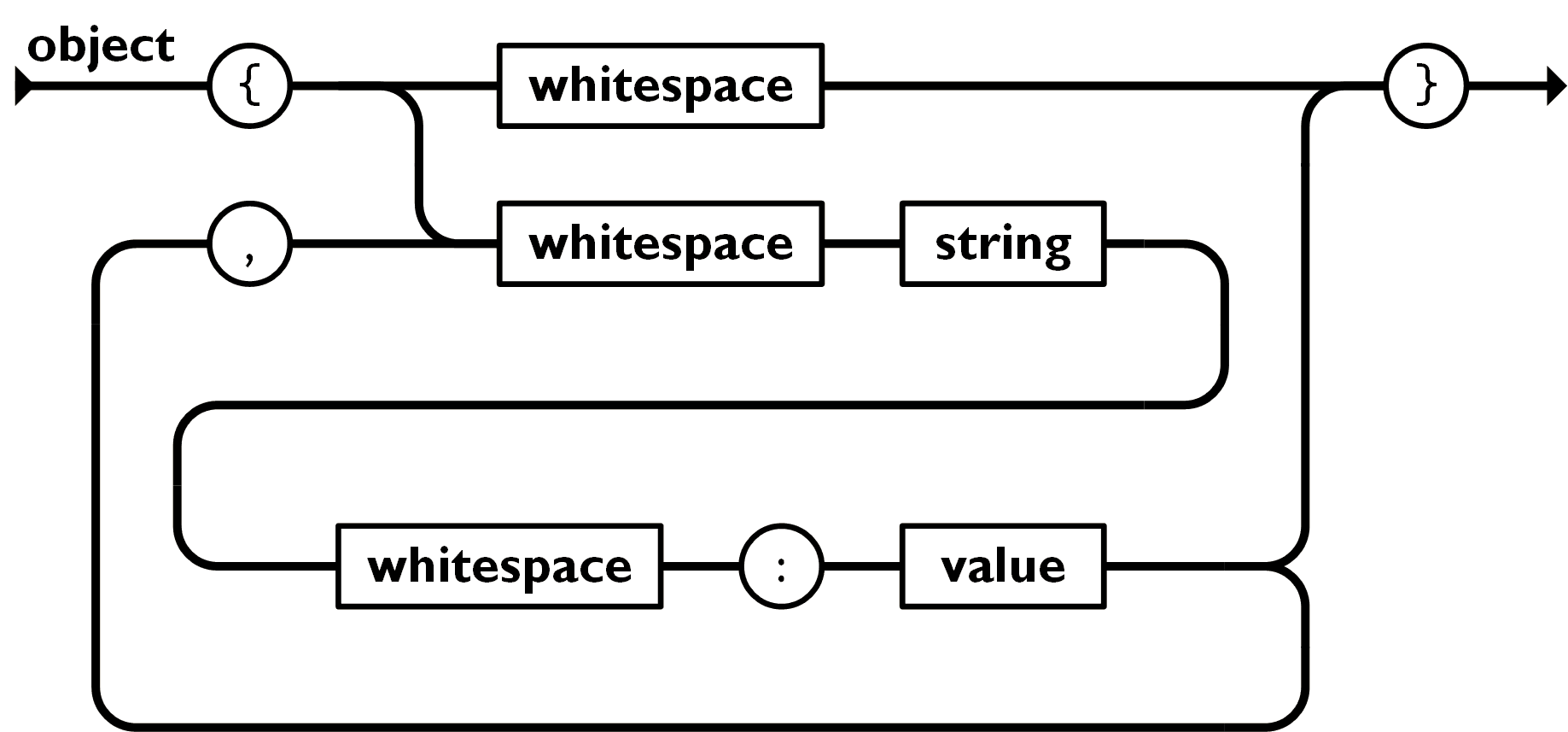
JSON (JavaScript Object Notation), a lightweight data-interchange format. It’s relatively easy to read for us humans, which is nice, and is a subset of the JavaScript Programming Language Standard (ECMA-262 3rd Edition – December 1999). JSON is a text format, and even though it’s a subset of JavaScript, is language independent. The conventions are of... Continue reading →