Data lakes and data warehouses serve distinct purposes in data storage and management. Amazon Web Services (AWS) offers Amazon S3 for data lakes, ideal for varied data types and big data scenarios. For structured data and optimized querying, AWS provides Amazon Redshift for data warehouses. Choosing the right solution depends on specific needs, offering flexibility... Continue reading →
This post delves into performance monitoring and tuning for relational databases, emphasizing the critical role of observability in maintaining robustness and speed. It explores tools like Hasura for advanced observability and best practices for leveraging PostgreSQL. The approach ensures proactive database management, essential for meeting modern business needs in application infrastructure. Continue reading →
Concurrency control in relational databases ensures data integrity when multiple transactions happen concurrently. Various methods include locking, preventing conflicts by restricting data access; optimistic concurrency control, assuming rare conflicts and rolling back and retrying when they occur; and timestamp ordering, prioritizing transactions based on their start time. The method choice depends on the database needs... Continue reading →
This article discusses the importance of robust backup and recovery strategies for relational databases such as SQL Server, Oracle, MariaDB/MySQL, and PostgreSQL. It explores general concepts of backup and recovery, database-specific strategies, advanced backup implementations such as hot swappable databases and cloud storage backups, along with Software as a Service (SaaS) providers for active backup... Continue reading →
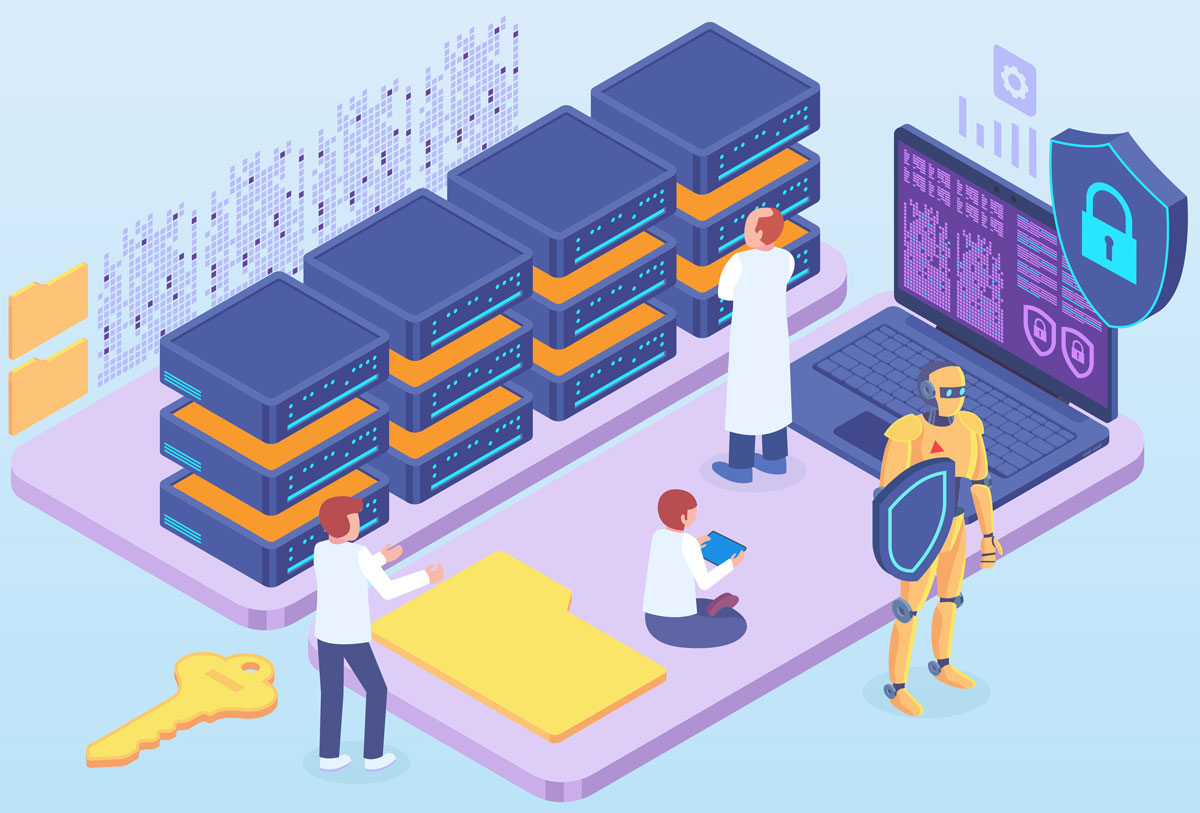
Explore the intricacies of security and authentication in relational databases with our comprehensive guide. Delve into the unique security architectures of SQL Server, Oracle, MariaDB/MySQL, and PostgreSQL. Understand how each system manages user setup, authentication methods, and role-based access control. Learn about the differences and similarities in their security models, from Windows Authentication in SQL... Continue reading →