Getting a coding agent productive is less about the prompt and more about whether the machine in front of it can actually build, run, and reach the systems the work depends on. Cursor, Claude, Codex, and the rest are fast when the local world is already honest: dependencies install, the app boots, tests can run,... Continue reading →
This content provides a comprehensive guide to terminal commands, focusing on file navigation and management in macOS and Linux. It highlights essential commands like ls, pwd, cd, tree, find, and others, detailing their functionalities and useful options. The guide aims to enhance user efficiency in file-system navigation through command-line tools. Continue reading →
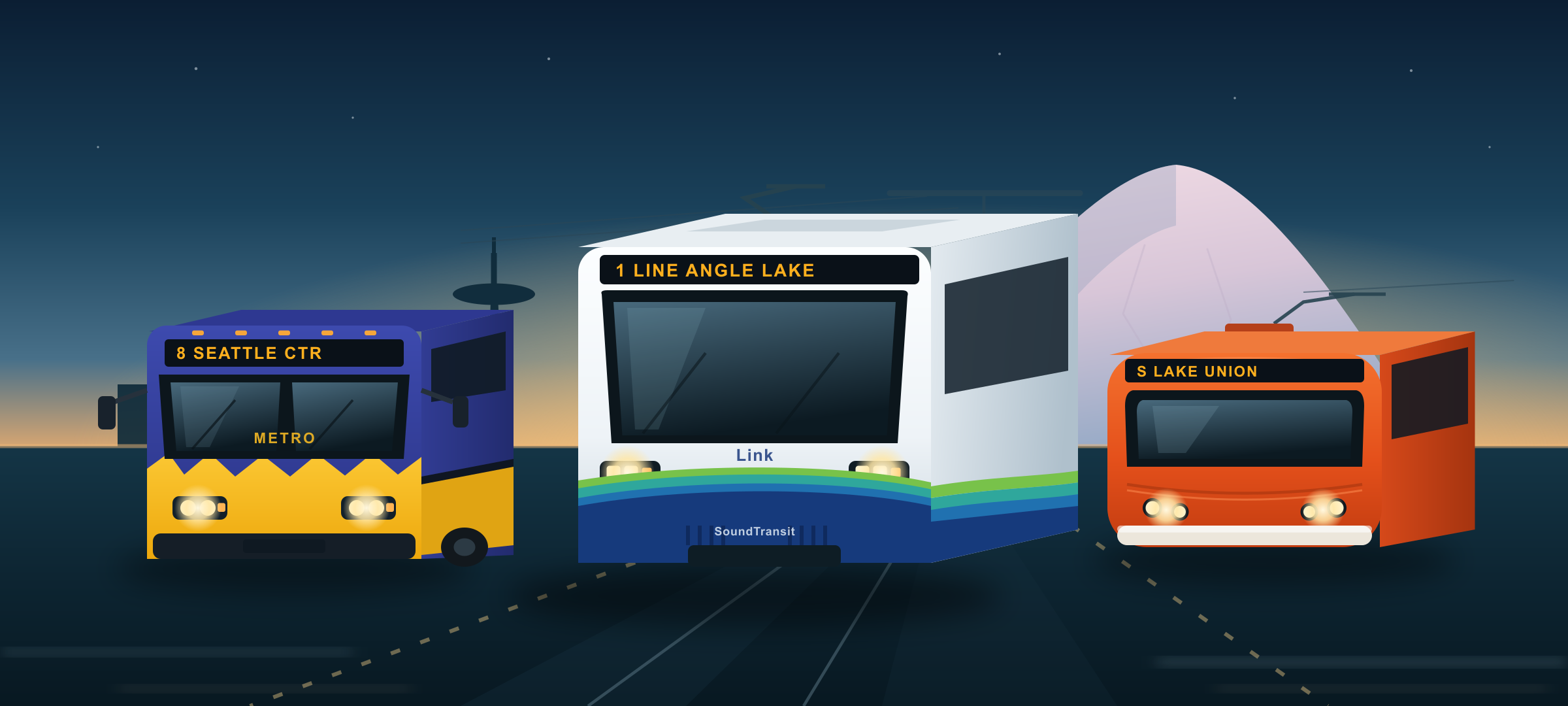
Dashing Arrivals is a live transit map for the Puget Sound region, displaying real-time locations of over 1,100 buses, trains, and ferries. Users can click on vehicles for details, view routes, and receive live arrival predictions. The app is an effective tool for commuting and monitoring transit activity. Continue reading →
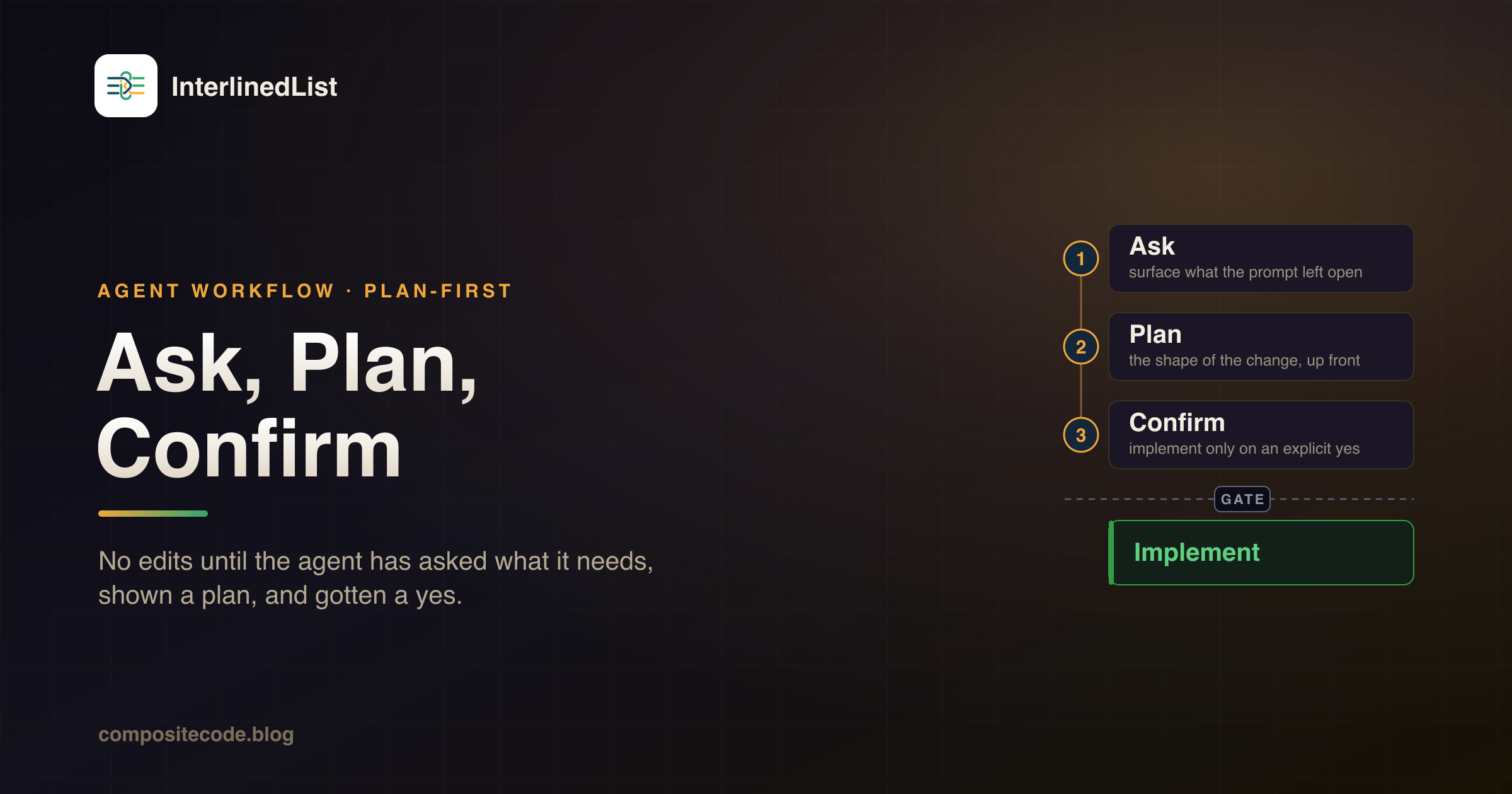
The text emphasizes the importance of a structured workflow for coding agents to prevent unintended changes. By introducing a three-step gating process—Ask, Plan, and Confirm—developers can ensure that agents check for ambiguities, outline necessary changes, and obtain explicit approval before implementation. This approach mitigates risks and enhances code quality. Continue reading →
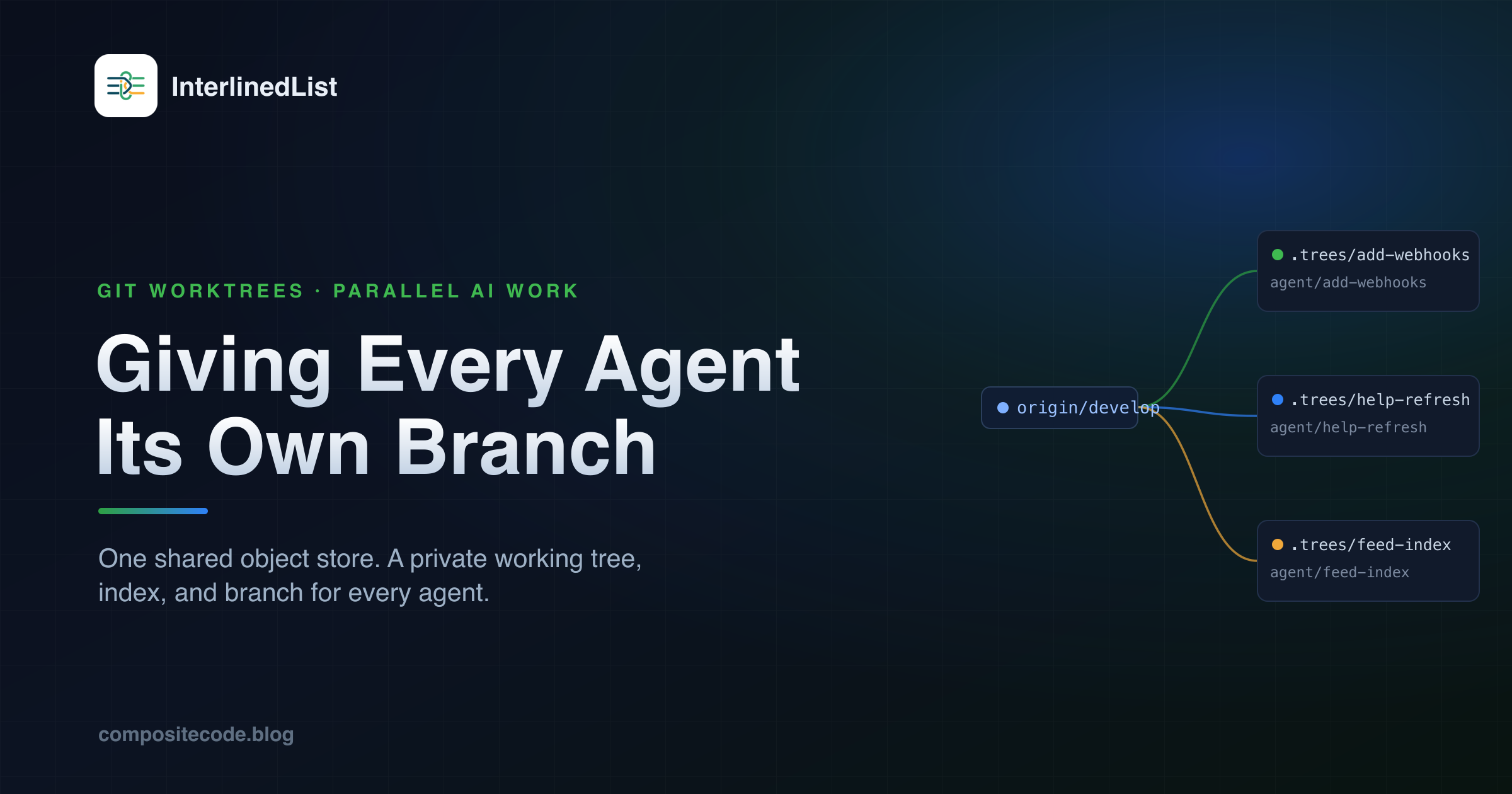
The text discusses challenges faced when using multiple coding agents on a single Git working tree, leading to merge conflicts and lost edits. It emphasizes the need for independent work environments through Git worktrees, which allow each agent to operate in its own directory while sharing an object store. The author details a structured solution... Continue reading →