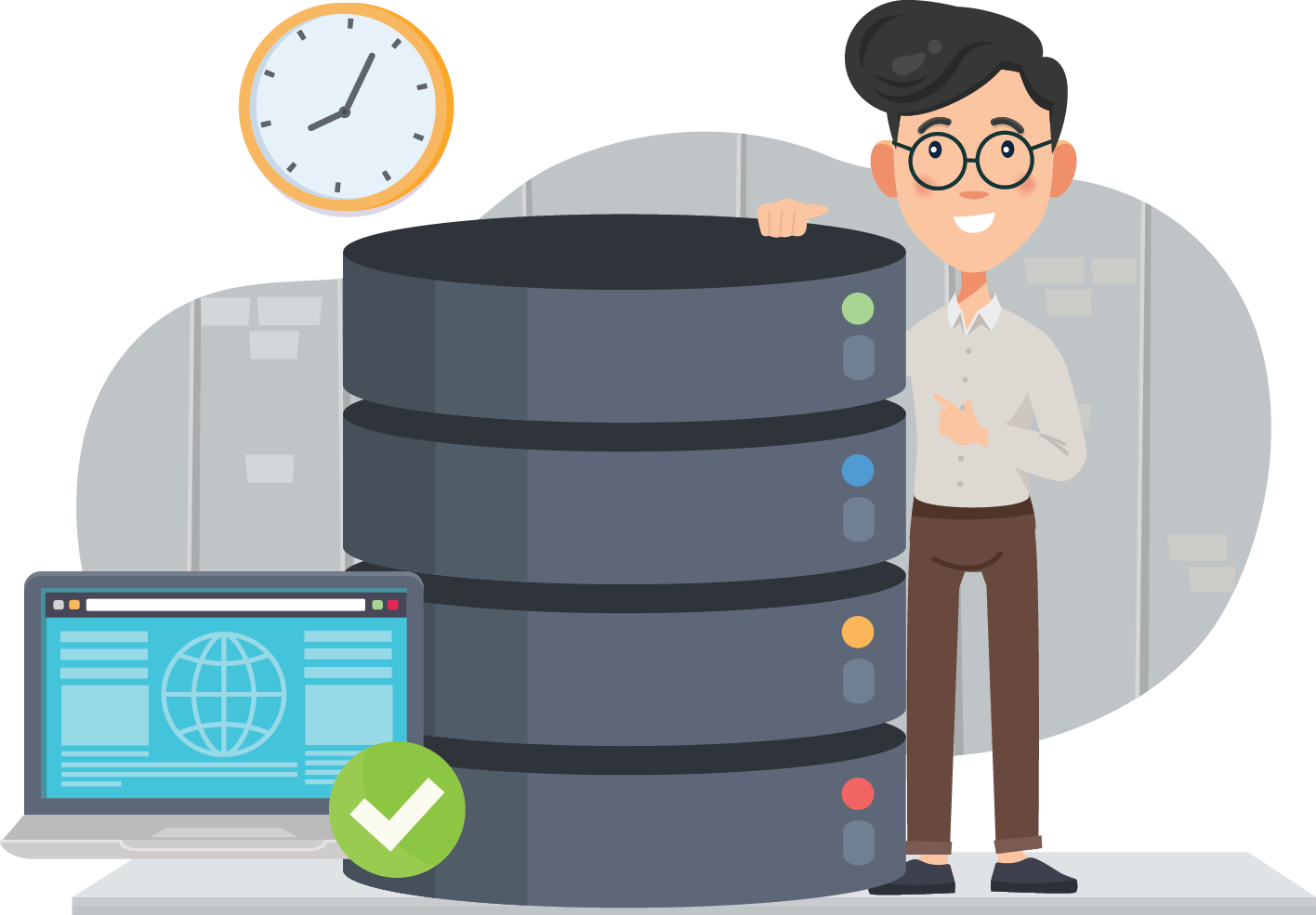
Data modeling is the systematic process of defining the structure, relationships, and constraints of a database. Through entity-relationship diagrams, it captures entities, attributes, and connections to mirror real-world scenarios. The resulting design ensures data accuracy, enhances query efficiency, and supports decision-making by transforming complex information into a structured and accessible format. Continue reading →
Starting to use, or interested in using MariaDB? This is a getting started post that will get you started with MariaDB and SkySQL. Prerequisite knowledge of SQL is helpful, but I step through every single little detail in this post to get you up and running, with a good context of what you’re getting. Continue reading →
Some top database providers for various open source databases like MariaDB, PostgreSQL, MongoDB, Apache Cassandra, Redis, Elasticsearch, and Neo4j: Continue reading →
While GraphQL provides a flexible and powerful approach to building APIs, there are some common anti-patterns that developers may unintentionally implement when working with GraphQL query resolvers. These anti-patterns – the opposite of yesterday’s top 10 practices – can lead to issues such as performance bottlenecks, security vulnerabilities, or maintenance difficulties. Here are some of... Continue reading →
Here are 10 best practices for GraphQL accrued from dozens of GraphQL API implementations: Remember that these practices may vary depending on the specific requirements and context of your GraphQL implementation. It’s always recommended to stay updated with the latest best practices and community guidelines. Continue reading →